
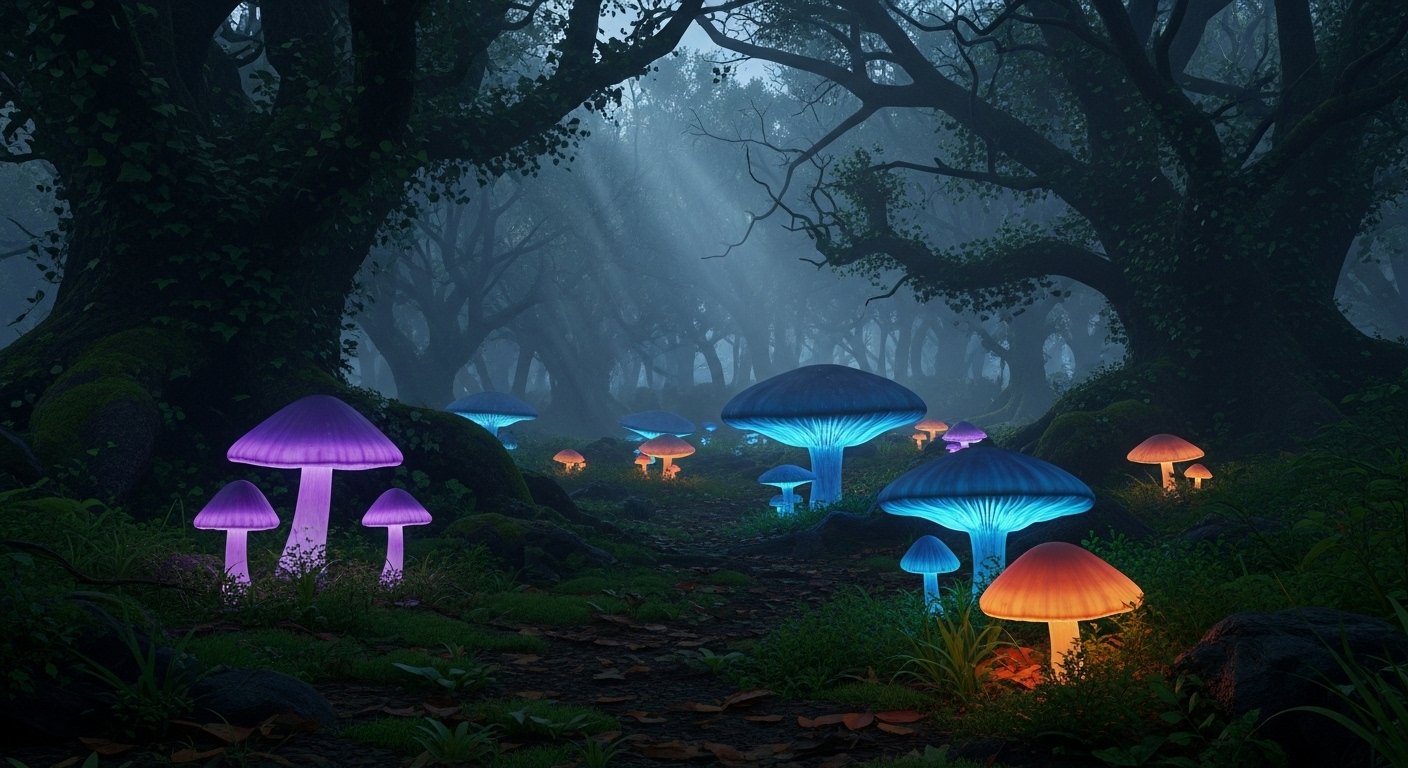
Shrooms, often referred to as magic mushrooms, have captivated human curiosity for centuries. These fungi contain psilocybin, a natural compound that induces profound alterations in perception and consciousness. In recent years, shrooms have gained attention not just for their recreational appeal but also for their potential in mental health treatment. As research evolves, more people are exploring what shrooms really offer, from spiritual insights to therapeutic benefits. But with this interest comes important questions about safety, effects, and legality.
In this guide, we’ll break down everything you need to know about shrooms. Whether you’re intrigued by their history or wondering about modern uses, we’ll cover it all in a straightforward way. Remember, while shrooms show promise, they’re not without risks, and their status varies widely.
What Are Shrooms?
Shrooms are a type of mushroom that naturally produces psychoactive substances like psilocybin and psilocin. These compounds are what give them their “magic” reputation. Found in various species, such as Psilocybe cubensis or Psilocybe semilanceata, shrooms grow in damp, forested areas around the world.
Unlike ordinary mushrooms you might find in a salad, shrooms aren’t typically eaten for nutrition. Instead, people consume them dried, brewed into tea, or even in capsule form for their mind-altering properties. The active ingredients interact with serotonin receptors in the brain, leading to experiences that can feel otherworldly.
It’s worth noting that not all mushrooms are safe. Foraging for shrooms in the wild can be dangerous if you mistake a toxic variety for a psychedelic one. Always prioritize knowledge and caution when dealing with any fungi.
The History of Shrooms
Shrooms have deep roots in human culture. Archaeological evidence suggests indigenous groups in Central America used them in rituals as far back as 9,000 years ago. Ancient artworks depict mushroom-like figures, hinting at their spiritual significance.
In the 1950s, Western scientists took notice. Researchers like Albert Hofmann, who discovered LSD, also studied psilocybin. By the 1960s, shrooms became part of the counterculture movement, popularized by figures like Timothy Leary. However, growing concerns over misuse led to bans in many countries.
The 1970s marked a turning point when psilocybin was classified as a Schedule I substance in the U.S., halting most research. But the tide is turning. Today, with renewed interest in psychedelics, shrooms are being revisited for their historical and potential modern roles.
This resurgence reflects a broader shift toward understanding how ancient practices might inform contemporary wellness. Shrooms aren’t just relics of the past; they’re inspiring new conversations about consciousness and healing.
How Shrooms Affect the Body and Mind
When you ingest shrooms, the effects usually kick in within 20 to 40 minutes. Psilocybin converts to psilocin in the body, which mimics serotonin and binds to brain receptors. This can lead to vivid hallucinations, altered time perception, and enhanced sensory experiences.
Users often describe a sense of euphoria or deep introspection. Colors might appear brighter, patterns could swirl, and everyday thoughts can take on profound meaning. Some report feeling connected to nature or the universe, which is why shrooms are linked to spiritual journeys.
Physically, shrooms might cause nausea, dilated pupils, or increased heart rate. The trip typically lasts four to six hours, though aftereffects can linger. Factors like dosage, setting, and mindset play a huge role in the experience—often summarized as “set and setting.”
It’s fascinating how shrooms can reshape reality temporarily. For some, it’s a tool for self-discovery; for others, it might feel overwhelming. Understanding these effects helps demystify what happens during a shroom experience.
Potential Benefits of Shrooms
Emerging research highlights shrooms’ potential in mental health. Studies from institutions like Johns Hopkins suggest psilocybin can help with treatment-resistant depression. In controlled settings, a single dose has led to lasting reductions in symptoms for some participants.
Anxiety relief is another area of promise. For those facing end-of-life distress, shrooms have shown to ease fears and improve quality of life. Early trials indicate benefits for PTSD, where traditional therapies sometimes fall short.
Beyond mental health, shrooms might aid addiction recovery. Research points to reduced cravings for substances like alcohol or tobacco after guided sessions. The introspective nature of the experience can foster personal growth and habit change.
While these benefits are exciting, they’re mostly from clinical trials. Shrooms aren’t a cure-all, but they represent a shift toward innovative treatments. As more data emerges, their role in wellness could expand.
Risks and Side Effects of Shrooms
No discussion of shrooms is complete without addressing the downsides. Hallucinations can sometimes turn negative, leading to “bad trips” filled with paranoia or fear. This is more likely in unfamiliar environments or with higher doses.
Physically, side effects include stomach upset, dizziness, or headaches. In rare cases, people experience persistent perceptual changes, known as hallucinogen persisting perception disorder (HPPD). Mixing shrooms with other substances amplifies risks.
Mental health vulnerabilities matter too. Those with a history of psychosis or schizophrenia might face exacerbated symptoms. Shrooms can also lead to risky behaviors if judgment is impaired, like wandering into unsafe situations.
Long-term, while addiction potential is low, frequent use might affect serotonin levels. It’s crucial to approach shrooms with respect and awareness. Education reduces harm, ensuring experiences are as safe as possible.
Legal Status of Shrooms in 2026
As of 2026, shrooms remain a Schedule I substance federally in the U.S., meaning they’re considered high-risk with no accepted medical use. However, change is afoot. The DEA has increased production quotas for research, signaling growing scientific interest.
At the state level, progress varies. Colorado and Oregon lead with regulated therapeutic programs, allowing supervised psilocybin sessions for adults. Cities like Denver, Oakland, and Washington, D.C., have decriminalized possession, making enforcement a low priority.
Internationally, places like Jamaica permit psilocybin retreats, while others maintain strict bans. In Canada, exemptions for medical use are expanding. These shifts reflect evolving views on psychedelics.
For now, legality depends on location. Always check local laws, as federal restrictions can override state ones. The landscape is dynamic, with potential rescheduling on the horizon.
Therapeutic Use and Ongoing Research
Therapeutic applications of shrooms are gaining traction. In psilocybin therapy, trained facilitators guide sessions in safe environments. This model, used in states like Oregon, combines the drug with counseling for optimal outcomes.
Research focuses on conditions like major depressive disorder and substance use disorders. Trials show psilocybin can “reset” brain networks, offering relief where antidepressants fail. Studies also explore its role in cluster headaches and chronic pain.
Ethical considerations are key. Ensuring equitable access and proper training for therapists is vital. As FDA reviews advance, shrooms could become prescription options.
This field blends science and spirituality, challenging traditional medicine. While promising, it’s still emerging—patience and rigorous study will shape its future.
Shrooms in Culture and Society
Shrooms influence art, music, and philosophy. From psychedelic rock to modern festivals, they’ve inspired creativity. Think of album covers or literature exploring altered states.
In society, stigma lingers, but education is changing that. Documentaries and books highlight benefits, shifting perceptions from “dangerous drug” to “potential tool.” Younger generations, open to wellness alternatives, drive this.
However, responsible dialogue is essential. Balancing enthusiasm with caution prevents misinformation. Shrooms’ cultural footprint continues to grow, reflecting broader acceptance of mind-expanding experiences.
Preparing for a Shroom Experience
If considering shrooms in a legal context, preparation matters. Start with a low dose to gauge effects. Choose a calm setting with trusted companions—a “trip sitter” can provide support.
Hydration and light snacks help manage physical discomfort. Journaling afterward integrates insights. Integration therapy, where experiences are processed, maximizes benefits.
Remember, shrooms aren’t for everyone. Consult professionals if exploring therapeutically. Prioritizing safety turns potential risks into positive growth opportunities.
The Future of Shrooms
Looking ahead, shrooms could revolutionize mental health care. With ongoing trials and policy shifts, wider acceptance seems likely. Imagine psilocybin clinics becoming as common as therapy offices.
Challenges remain, like standardization and regulation. But optimism abounds. As society grapples with rising mental health issues, shrooms offer a natural alternative worth exploring.
In conclusion, shrooms are more than just a curiosity—they’re a gateway to understanding the mind. From ancient rituals to cutting-edge research, their journey reflects human innovation. While benefits intrigue, risks demand respect. As legal barriers ease, informed choices will guide their role in our lives. Whether for healing or exploration, shrooms remind us of nature’s profound gifts. Stay curious, stay safe.
FAQs
What are the main effects of shrooms?
Shrooms typically cause hallucinations, altered perception, and emotional shifts. Effects vary by dose and individual, lasting several hours.
Are shrooms safe for everyone?
No, shrooms carry risks, especially for those with mental health conditions. They can trigger anxiety or bad experiences in unsuitable settings.
Can shrooms help with depression?
Research suggests psilocybin in shrooms may alleviate depression symptoms in therapeutic settings, but it’s not a substitute for professional care.
What’s the legal status of shrooms in the U.S.?
Federally, shrooms are Schedule I, but some states like Colorado allow therapeutic use, and certain cities have decriminalized them.
How long do shroom effects last?
A typical shroom trip lasts 4-6 hours, with peak effects around 2-3 hours after ingestion. Residual feelings might persist longer.