
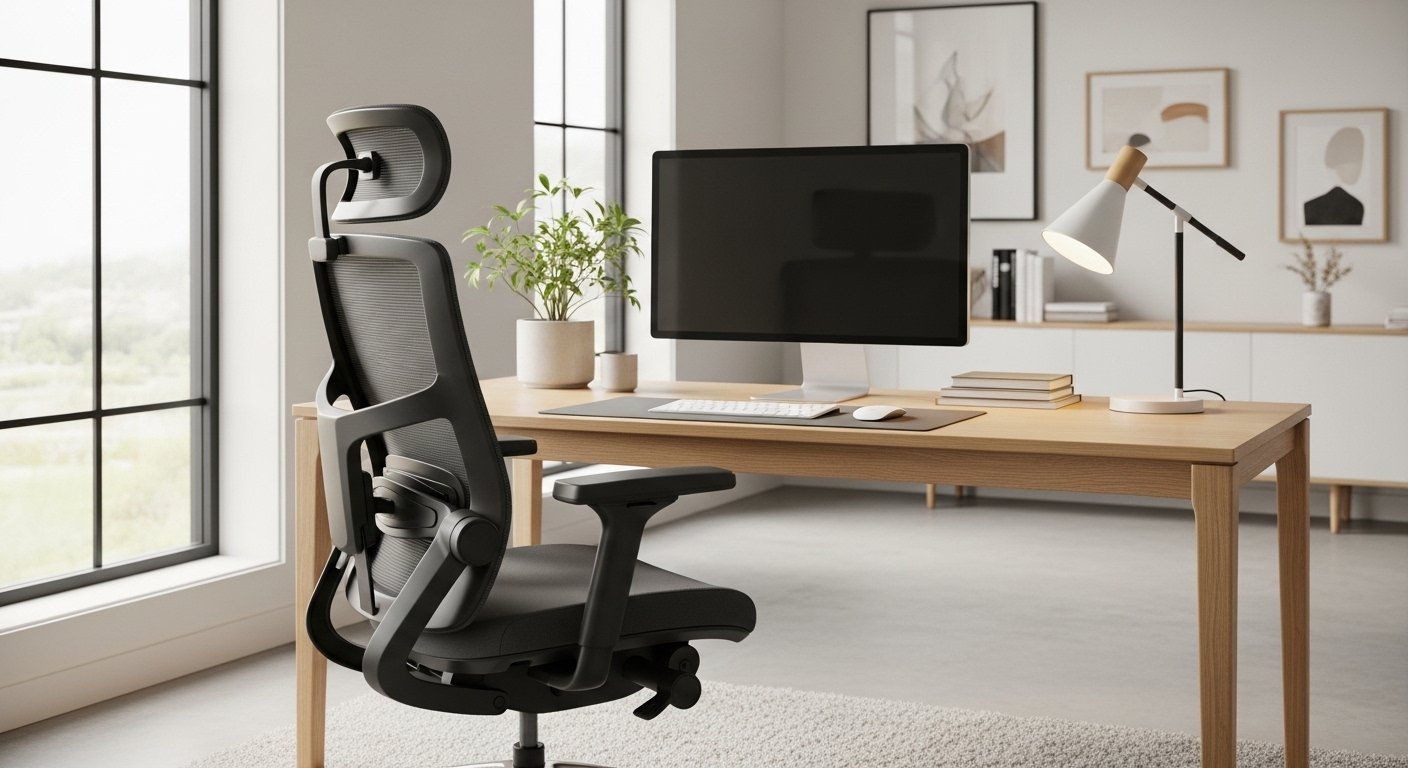
Modern work culture has changed dramatically. Many people now split their time between corporate offices and home workspaces, making seating comfort more important than ever. The most suitable ergonomic chair for office use is ideal for a home office setup because it supports posture, reduces fatigue, and helps maintain productivity during long hours of sitting.
Ergonomic seating is no longer a luxury — it’s a necessity. With better design, adjustable features, and health-focused innovation, today’s chairs are transforming how we work. This guide explains how ergonomic chairs improve comfort, how to choose one wisely, and why they are shaping the future of workplace wellness.
Revolutionizing Comfort, The Future of Ergonomic Chairs
Ergonomic chairs have evolved far beyond basic padded seats. Today’s designs integrate posture science, advanced materials, and adjustable components that adapt to individual needs.
Why Ergonomic Chairs Matter
Sitting for long periods can cause back pain, neck strain, and fatigue. Poor posture also affects productivity and energy levels. Ergonomic chairs address these issues by:
-
Supporting the natural curve of the spine
-
Encouraging healthy sitting posture
-
Reducing muscle strain and pressure points
-
Improving blood circulation
This shift toward health-focused furniture reflects a growing understanding that workplace comfort directly affects performance.
Technological Innovations in Modern Chairs
Manufacturers are constantly introducing new features, such as:
-
Breathable mesh backs for airflow
-
Memory foam cushioning for comfort
-
Dynamic lumbar support systems
-
Smart posture-tracking technology
These advancements highlight how ergonomic chairs suitable for home use and offices are becoming smarter and more personalized.
The Most Suitable Ergonomic Chair for Office Use Is Ideal for a Home Office Setup
Choosing a chair that works equally well in professional offices and home environments ensures flexibility and long-term comfort. Hybrid work setups demand furniture that blends functionality with style.
Adaptability Across Workspaces
A well-designed ergonomic chair should:
-
Fit different desk heights
-
Adjust to various sitting preferences
-
Complement home décor while remaining professional
This versatility makes ergonomic chairs suitable for home use increasingly popular among remote workers.
Health Benefits in Both Settings
Whether at home or in a corporate office, proper seating:
-
Reduces lower back pain
-
Prevents posture-related injuries
-
Minimizes fatigue during extended work sessions
That’s why the most suitable ergonomic chair for office use is ideal for a home office setup — it delivers consistent comfort regardless of location.
Elevate Your Workspace, The Power of Ergonomic Support
Comfortable seating does more than prevent pain; it actively enhances productivity and mental focus.
Productivity Gains from Better Seating
Research consistently shows that comfortable employees perform better. Ergonomic support helps by:
-
Reducing distractions caused by discomfort
-
Promoting better concentration
-
Supporting longer, more efficient work sessions
This is why many companies now prioritize ergonomic furniture investments.
Posture and Long-Term Health
Proper ergonomic support encourages:
-
Upright spinal alignment
-
Relaxed shoulders and neck
-
Balanced weight distribution
These factors collectively protect long-term musculoskeletal health.
Choosing an Office Chair That Truly Allows You to Sit for Long Periods Without Fatigue
Selecting the right chair involves more than appearance. Comfort comes from thoughtful design and adjustable features.
Key Features to Look For
- Adjustable Lumbar Support: Supports the lower back and maintains natural spine curvature.
- Seat Height Adjustment: Allows feet to rest flat on the floor, preventing circulation issues.
- Armrest Flexibility: Reduces shoulder tension and wrist strain.
- Breathable Materials: Mesh or ventilated fabrics keep you cool during extended sitting.
Testing Comfort Before Buying
When possible:
-
Sit in the chair for several minutes
-
Adjust all controls
-
Ensure it supports your preferred posture
This helps ensure you’re choosing an office chair that truly allows you to sit for long periods without fatigue.
Ergonomic Chairs Suitable for Home Use
Home office furniture should balance functionality with aesthetics. Unlike traditional office furniture, it must integrate smoothly into living spaces.
Design Considerations
Home-friendly ergonomic chairs often feature:
-
Sleek, modern styling
-
Compact frames
-
Neutral color options
These elements make them visually appealing while maintaining professional comfort.
Space Efficiency
Many ergonomic chairs suitable for home use are designed for smaller spaces. Features may include:
-
Foldable armrests
-
Compact bases
-
Lightweight construction
This makes them practical for apartments and multipurpose rooms.
How Ergonomic Chairs Improve Daily Work Life
The impact of good seating goes beyond physical health.
Enhanced Focus and Creativity
Comfortable seating:
-
Reduces mental fatigue
-
Supports sustained concentration
-
Encourages creative thinking
When discomfort disappears, productivity naturally improves.
Better Mood and Energy Levels
Proper posture helps:
-
Improve breathing
-
Increase oxygen flow
-
Reduce stress on muscles
These benefits contribute to overall workplace satisfaction.
Tips for Maximizing Ergonomic Chair Benefits
Even the best chair requires proper usage to deliver full benefits.
Adjust Your Chair Correctly
-
Keep hips slightly higher than knees
-
Align monitor at eye level
-
Maintain relaxed shoulders
Take Movement Breaks
Standing or stretching every 30–60 minutes prevents stiffness and boosts circulation.
Combine with a Proper Desk Setup
Ergonomic chairs work best when paired with:
-
Adjustable desks
-
Proper monitor placement
-
Supportive keyboard positioning
This holistic approach enhances comfort significantly.
The Future Outlook for Ergonomic Seating
The ergonomic furniture industry continues to innovate rapidly.
Emerging Trends
Future developments may include:
-
AI-powered posture correction
-
Sustainable eco-friendly materials
-
Personalized chair adjustments based on body metrics
These advancements aim to create healthier, more adaptive work environments.
Growing Demand
With remote work increasing worldwide, ergonomic chairs suitable for home use will likely remain in high demand. Comfort and health are becoming top priorities for both employees and employers.
Frequently Asked Questions (FAQs)
1. What makes an ergonomic chair different from a regular chair?
Ergonomic chairs are designed to support posture, reduce strain, and provide adjustable comfort features that standard chairs often lack.
2. Are ergonomic chairs suitable for home offices?
Yes, many ergonomic chairs suitable for home use combine comfort, style, and space efficiency, making them ideal for home setups.
3. How do ergonomic chairs reduce fatigue?
They promote proper posture, support the spine, and reduce pressure points, allowing you to sit longer without discomfort.
4. Can ergonomic chairs improve productivity?
Yes. Comfortable seating minimizes distractions, enhances focus, and supports sustained work performance.
5. How long should an ergonomic chair last?
High-quality ergonomic chairs typically last several years, depending on materials, usage, and maintenance.
Conclusion
Comfortable seating is essential in today’s work environment. As remote work grows and office expectations evolve, investing in the right chair becomes increasingly important. The most suitable ergonomic chair for office use is ideal for a home office setup because it supports posture, improves productivity, and ensures long-term health.
From advanced lumbar support to stylish home-friendly designs, ergonomic chairs are redefining how we work. By choosing thoughtfully and using your chair correctly, you can transform your workspace into a healthier, more productive environment.